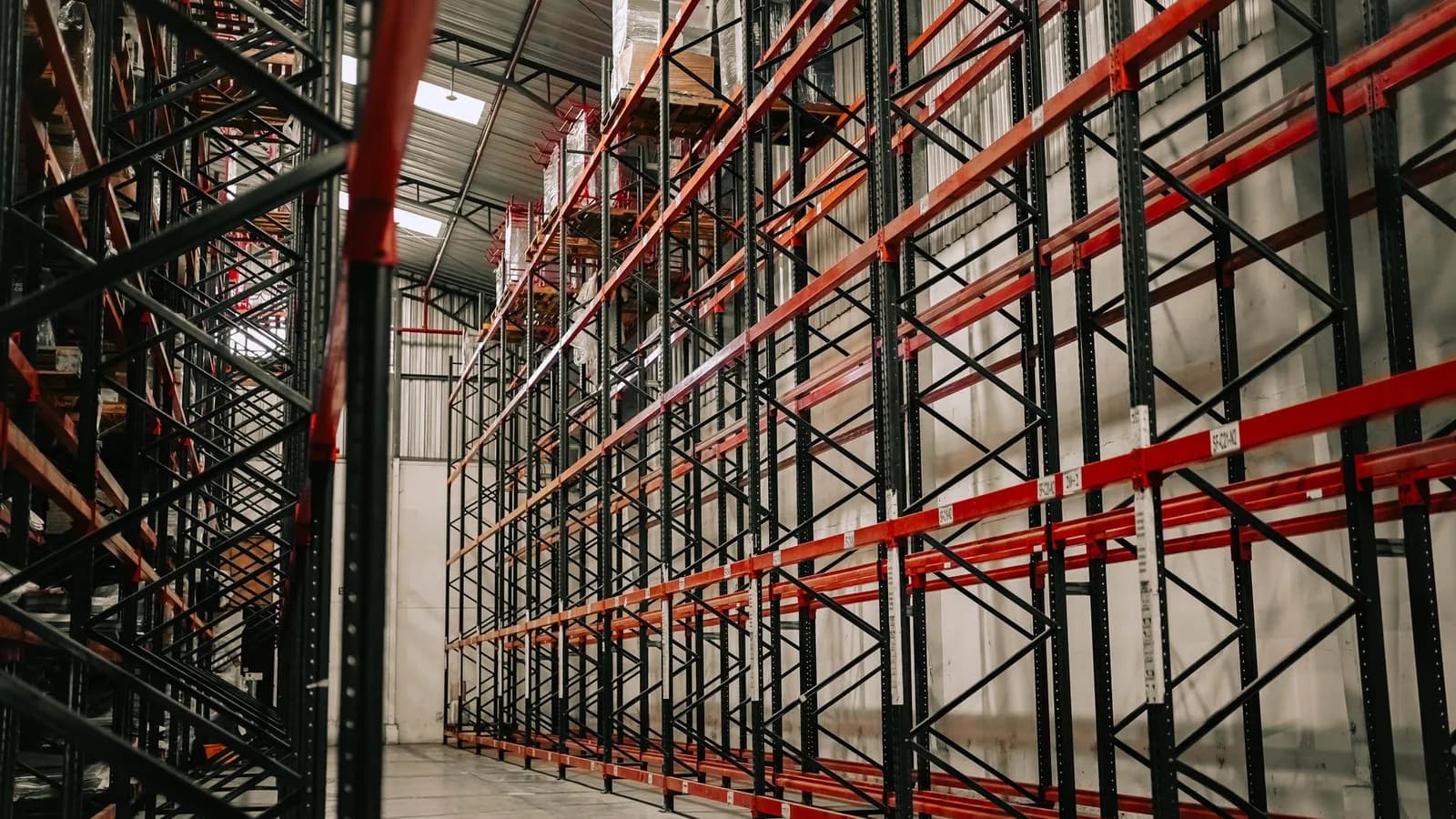
Optimising a warehouse means winning on two fronts at once: density, the number of pallets stored per square metre, and throughput, the number of moves completed per hour. These two goals often pull in opposite directions. Narrowing the aisles raises density but slows the trucks down; adding levels increases the lift height but complicates picking. The right mix of equipment lets you hit both targets together, without rebuilding the warehouse.
In short: to pack more in without losing productivity, two machines define the modern warehouse. The reach truck, thanks to its retractable mast, works in narrow aisles and reaches high bays, which maximises the number of pallets on the floor. The order picker optimises picking by bringing the operator straight to the goods, at ground, mid, or high level. Paired with a coherent layout, these two families raise both storage capacity and the number of lines picked per hour.
Density versus throughput: the underlying trade-off
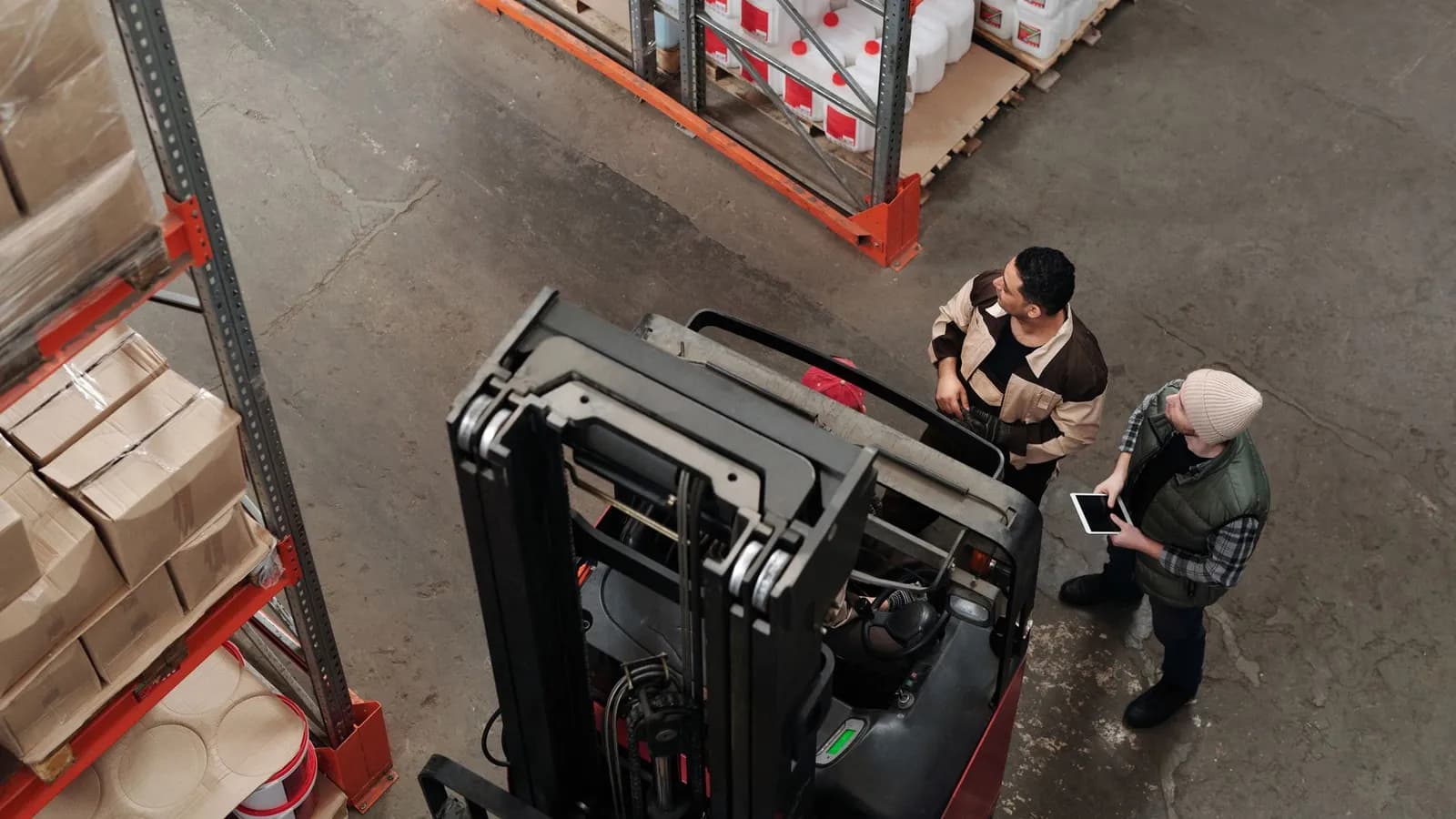
Before choosing a machine, it helps to understand the trade-off every warehouse has to manage. Storing more pallets on the floor means narrower aisles and taller racks. But a narrow aisle stops a conventional counterbalance truck from turning to set its pallet down, and a high bay quickly exceeds its lift capacity. This is exactly the bottleneck that retractable-mast trucks and order pickers remove.
Three concrete levers act on density:
- Aisle width, which sets how many rack rows fit into a given footprint.
- Lift height, which decides how many usable levels sit above each ground location.
- The picking method, which shapes how fast- and slow-moving items are organised.
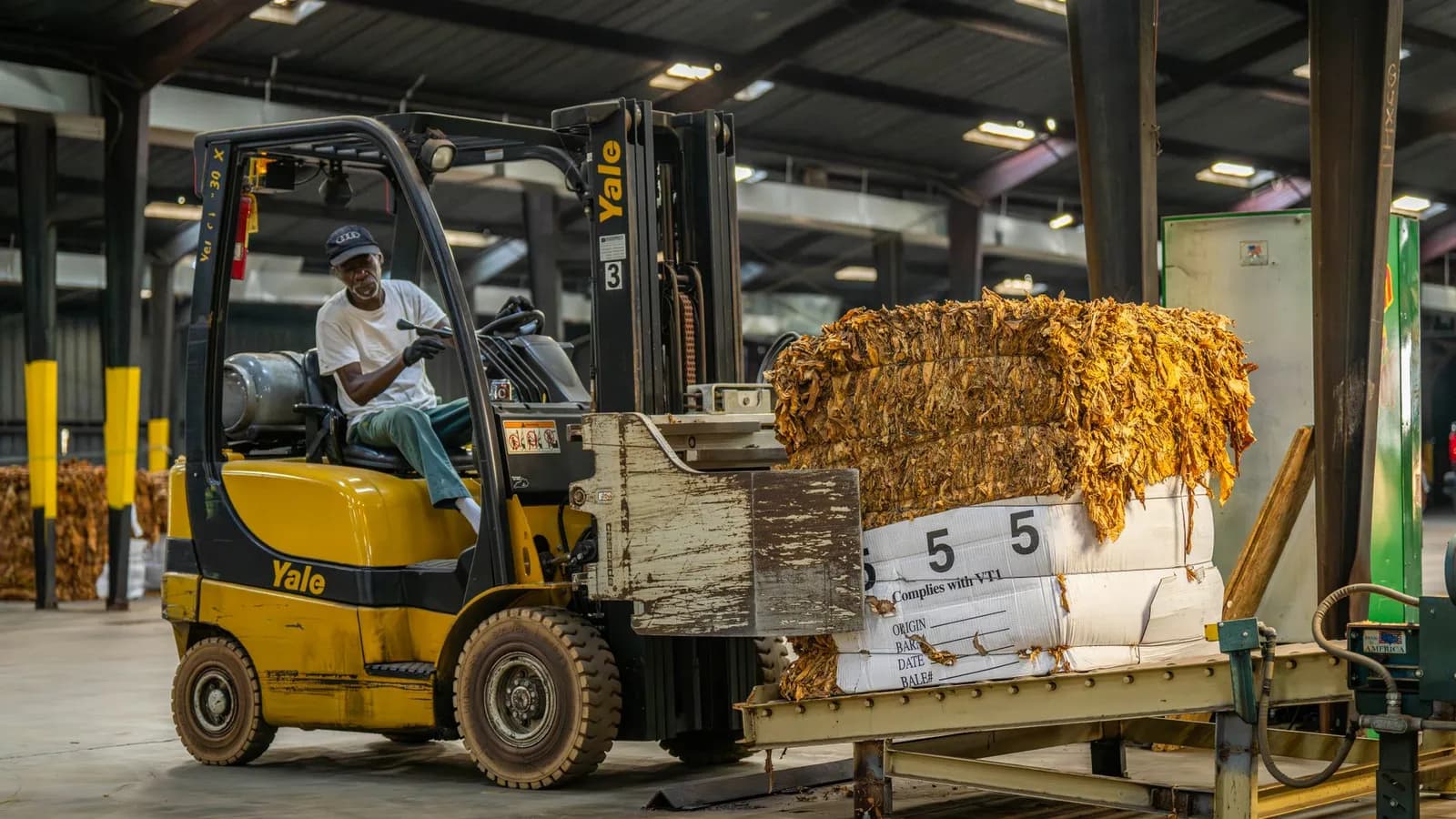
Each lever calls for a different machine. The classic mistake is trying to do everything with a single truck type, then finding the aisles are too wide or the high levels stay out of reach.
The reach truck: pack the aisles and go high
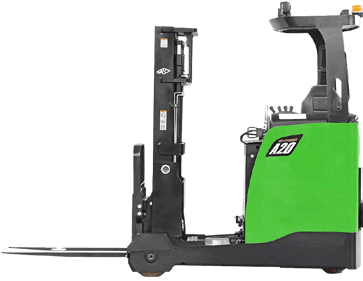
The reach truck is the machine for high bays in narrow aisles. Its retractable mast, which moves forward to pick up or set down the pallet and then retracts within the wheelbase, lets it work in far tighter aisles than a counterbalance truck, while reaching levels the latter cannot. The result is more rack rows on the floor and more levels per row, so a clearly higher storage density.
It suits palletised rack storage, single or double deep, where the priority is fitting as many pallets as possible into a given volume. For more on aisle design and mast sizing, we cover the subject in our dedicated article on the reach truck in narrow aisles.
A few points are worth checking before settling on a configuration:
- The available aisle width versus the width the reach truck needs, manoeuvring clearance included.
- The clear height under the roof and the mast's lift height at full extension.
- The residual capacity at height, which falls as the mast rises.
- The flatness and bearing capacity of the floor, essential for stability at height.
The order picker: optimise picking
The order picker answers a different need: not storing, but retrieving. Instead of bringing down the full pallet, the operator rises to the goods and builds the order item by item. Picking happens at several levels depending on how the warehouse is organised:
- At ground level, for very fast-moving items kept in the low locations.
- At mid level, when the operator rises a few metres to reach intermediate locations.
- At high level, picking straight from the upper racks without bringing pallets down.
Bringing the operator to the goods rather than the other way round cuts empty travel and raises the number of lines picked per hour, and so throughput. The method and route organisation are the focus of our guide on order picker productivity. Reach truck and order picker are complementary: one fills and replenishes the high locations, the other picks at the unit level. Pairing them well is how you get both density and throughput in the same warehouse.
Energy and work at height: the related topics
Packing high raises two questions that often get overlooked. The first is energy. Reach trucks and order pickers are electric and run indoors, sometimes across several shifts; managing the battery, the chargers, and the charging times directly drives fleet availability. Battery and charger monitoring is in fact part of HER preventive maintenance. The second concerns work at height on the racks themselves: structural maintenance, cleaning, fitting signage. That calls not for a handling truck but for an elevating platform. Indoors, the right machine is quiet, emission-free, and built for warehouse floors; we cover that case in our article on the electric aerial lift in the warehouse.
Before investing, it pays to frame the real need: volumes to store, item rotation, available height, and shift organisation. HER offers a free needs assessment to size the fleet, whether bought or rented, and you can start it through our packages.
Frequently asked questions
Reach truck or counterbalance truck to pack the warehouse?
A conventional counterbalance truck needs wide aisles and tops out on lift height. The reach truck, thanks to its retractable mast, works in narrow aisles and goes higher. To maximise the number of pallets per square metre, the reach truck is what packs the space, provided the floor and clear height allow it.
What is an order picker for compared with a reach truck?
The reach truck stores and replenishes full pallets at height. The order picker brings the operator to the goods to pick at the unit level, at ground, mid, or high level. One handles bulk storage, the other handles picking; the two are complementary.
How do I raise density without losing productivity?
By combining narrower aisles served by a reach truck with picking organised around an order picker. Density comes from aisle width and lift height; throughput comes from picking that cuts empty travel.
Do these machines work across multiple shifts?
Yes, but availability then depends on energy management: the number of batteries, charger capacity, and how charging times are organised. Regular battery monitoring, included in preventive maintenance, avoids stoppages mid-shift.
Want to pack your storage without sacrificing throughput? Request a free assessment of your warehouse.