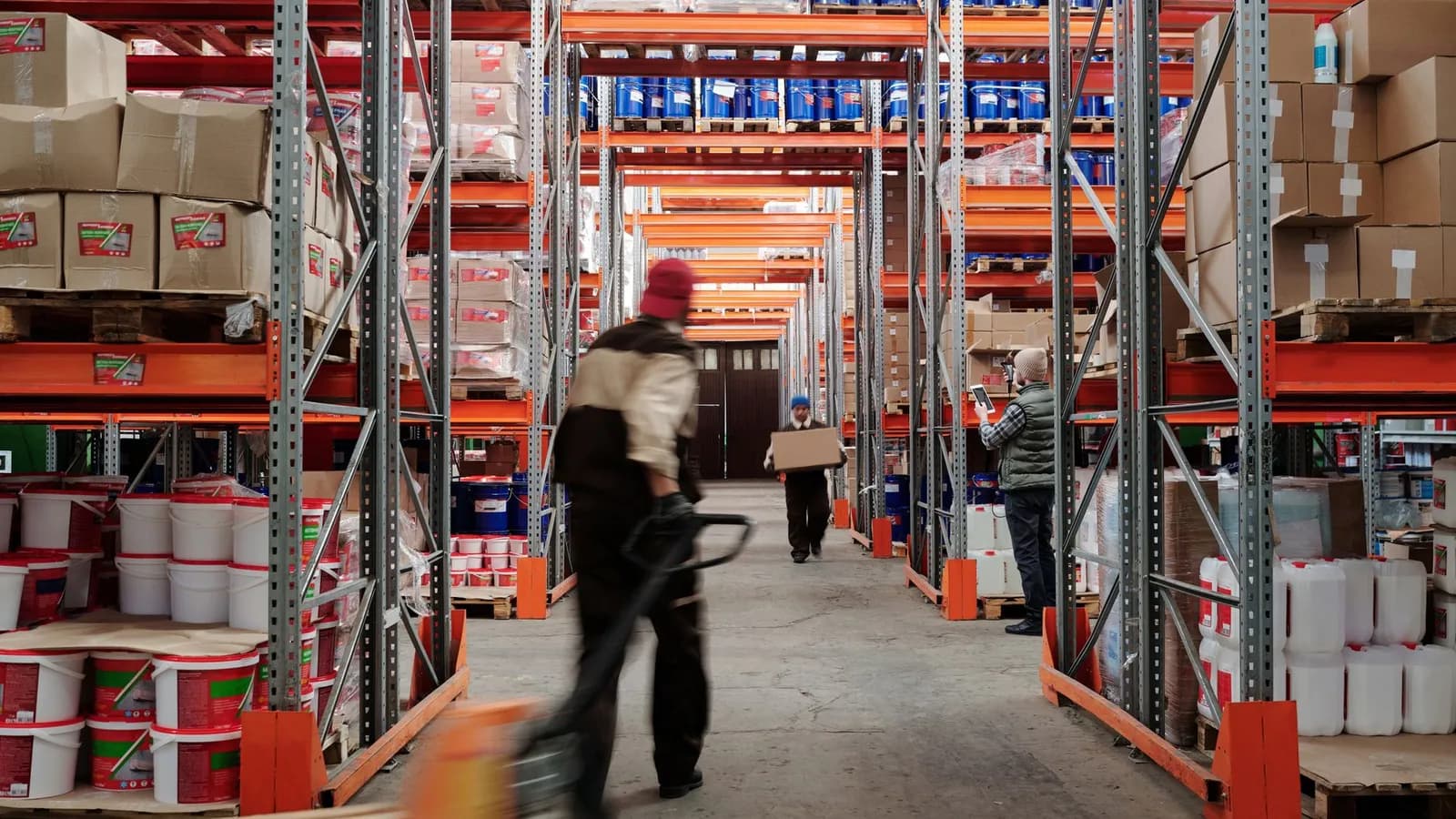
Equipping a small warehouse, a shop stockroom, or a workshop is not the same exercise as kitting out a large logistics platform. The question is not "which machine is the most powerful" but "what is the right fit for your volumes, your heights, and your floor space." On these sites, compact machines (pallet trucks and stackers) cover most needs, without the cost or bulk of a forklift.
In short: pick a pallet truck to move pallets at floor level, a stacker as soon as you need to stack them or place them on racking. Stay manual for low volumes and short distances, move to electric when the pace or the travel distances become a strain. Keep the forklift for heavy loads and real height. Each decision rests on your actual volumes, the floor condition, and your storage height, not on the most impressive spec sheet.
Pallet truck or stacker: move or stack
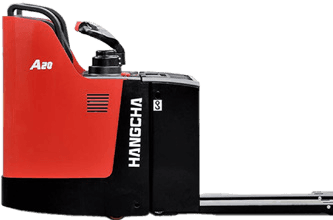
The first call is simple and shapes everything else. A pallet truck moves pallets horizontally, just above the floor: unloading a truck, taking a pallet from the dock to a picking area, feeding a workstation. It lifts the load a few centimetres, just enough to carry it. It is the baseline tool of almost every warehouse.
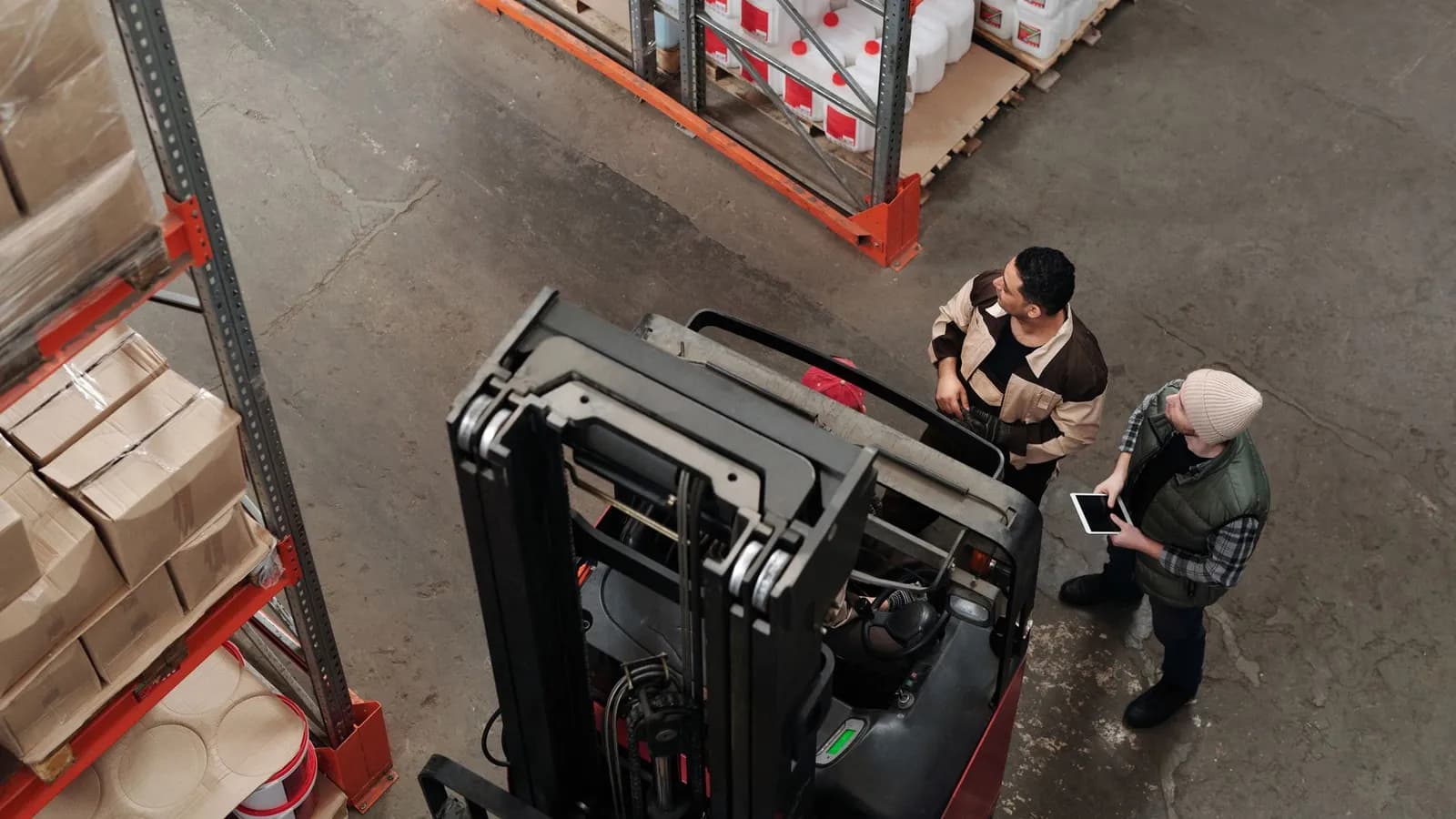
A stacker goes further: it raises the load several metres to stack it or set it on racking. As soon as you store at height, the pallet truck no longer cuts it. Plenty of small warehouses run perfectly well on a pallet truck for floor traffic and a stacker for vertical storage, without ever needing a forklift. In a sentence: if you only move loads at floor level, a pallet truck is enough; the moment you need to go up, you need a stacker.
Manual or electric pallet truck
Once you have settled on a pallet truck, the next call is manual versus electric. A manual pallet truck is pumped up by hand and pulled along by arm. Sturdy, light, with no battery or charging, it is hard to beat for occasional use, short distances, and a flat, clean floor. It is often the first machine a small operation buys.
An electric pallet truck powers the travel, and sometimes the lift. It earns its place as soon as the trips get longer, ramps appear, loads get heavy, or the pace picks up: operator fatigue drops, so does the risk of musculoskeletal strain, and throughput goes up. The extra cost is justified by the use case: we break down that calculation in our guide to deciding between a manual and an electric pallet truck. The right reflex: count your daily trips and the real physical strain before deciding.
Electric or semi-electric stacker
The stacker follows the same logic, split across two axes: travel (moving forward) and lift (going up). A semi-electric stacker usually powers the lift but leaves the travel manual: you push the machine, but the motor does the hard work of raising the load onto racking. It is an economical compromise for occasional high storage over short distances.
An electric stacker powers both lift and travel. It is the right choice when vertical storage is frequent, the aisles are long, or the loads are heavy: the operator no longer pushes anything, they drive. The choice depends on how often you use it and the distance between the receiving area and the racking; we compare both cases in our article on the electric versus semi-electric stacker. Here too, the decision is made on the floor.
Should it be a forklift instead
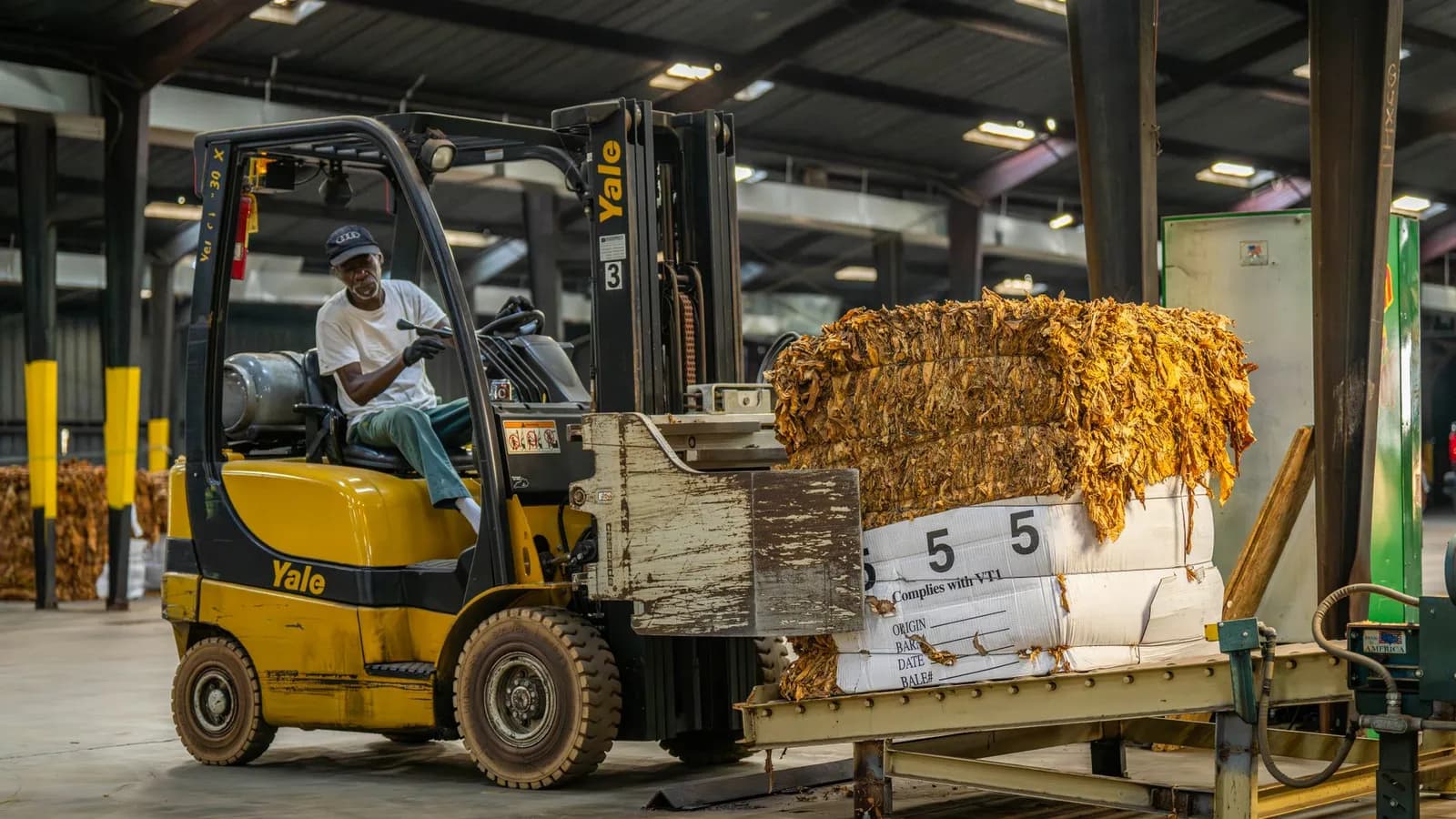
There is a threshold where compact machines reach their limits. The forklift (diesel, LPG, or electric) takes over for genuinely heavy loads, high stacking, work outdoors or on uneven ground, and sustained pace over long days. But it costs more, takes up more space, needs wider aisles to maneuver, and requires a trained operator.
For a small warehouse, oversizing is a common mistake: you buy a forklift that spends most of its time parked, where a stacker would have done. Before making the jump, check your real height and load needs; we help frame that diagnosis in our comparison of a stacker or a forklift for a small warehouse. Often, the right setup comes down to a well-chosen pallet truck and stacker.
Maintenance, the key to a long service life
Whichever machine you choose, its service life depends directly on maintenance. On compact machines, the weak points are well known: the hydraulic circuit and cylinder seal for the lift, the wheels and rollers that wear and mark floors, and, on electric versions, the battery and charger. A poorly maintained battery is a common cause of avoidable breakdowns.
A few simple habits extend the life of the equipment:
- A visual check before every shift: hydraulic leaks, wheel condition, lift and stop functions.
- Battery and charger care: full charges, no repeated deep discharges, clean contacts.
- Checking the forks and their flatness, replacing worn rollers before they damage the floors.
A preventive maintenance contract, with scheduled servicing and a work sheet at every visit, prevents unplanned downtime. We explain how to maintain a pallet truck to extend its service life point by point. And when a breakdown does happen, a responsive after-sales service gets the machine running again without stalling your activity.
Frequently asked questions
Pallet truck or stacker for a small warehouse?
A pallet truck is enough if you only move pallets at floor level: unloading, transport to a picking area, feeding a station. The moment you need to stack or store on racking, even on two or three levels, you need a stacker. Many small sites combine the two.
Should I get a manual or an electric pallet truck?
Manual suits occasional use, short distances, and a flat floor. Move to electric as soon as the trips get longer, ramps appear, loads are heavy, or the pace rises: the operator tires less and throughput goes up.
When do I need a forklift rather than a stacker?
A forklift is the answer for genuinely heavy loads, real height, work outdoors or on uneven ground, and high pace. For a small warehouse, a well-sized stacker is often enough; oversizing costs more and clutters the space for nothing.
How do I extend the life of these machines?
Watch the hydraulic circuit, the wheels and rollers, and above all the battery and charger on electric versions. A visual check before every shift and a preventive maintenance contract with scheduled servicing prevent most breakdowns.
Equipping a stockroom, a workshop, or a small warehouse? Request a free needs assessment and we will point you to the right equipment.