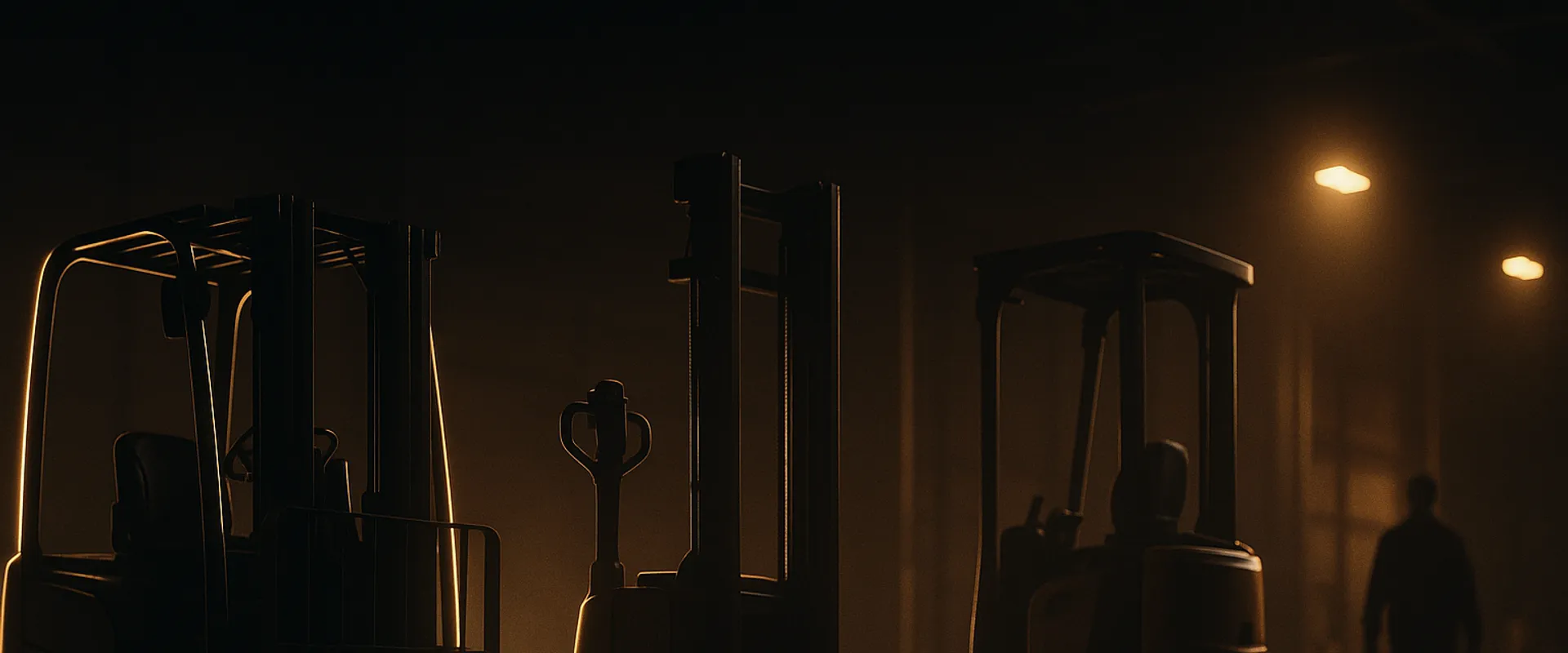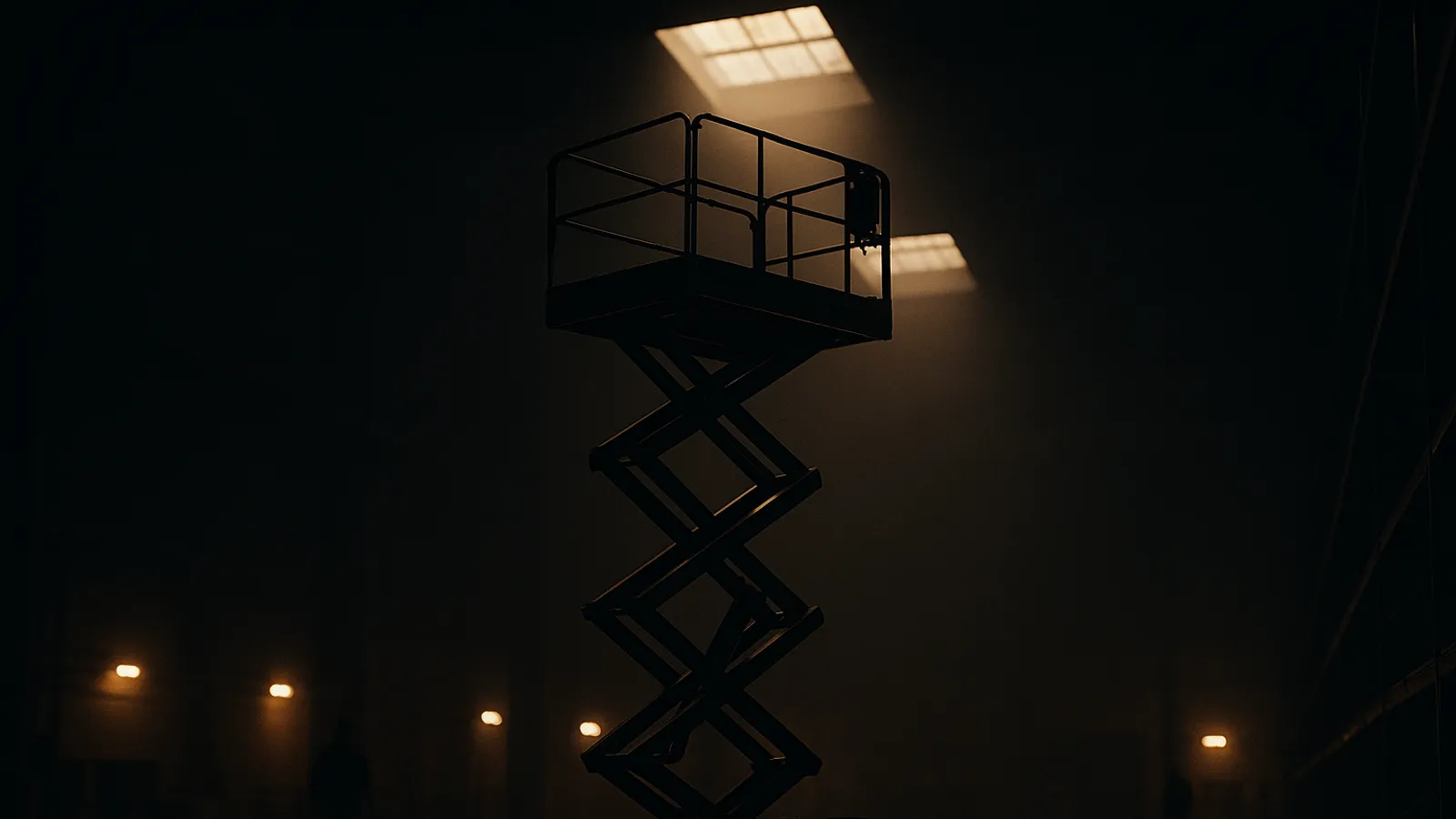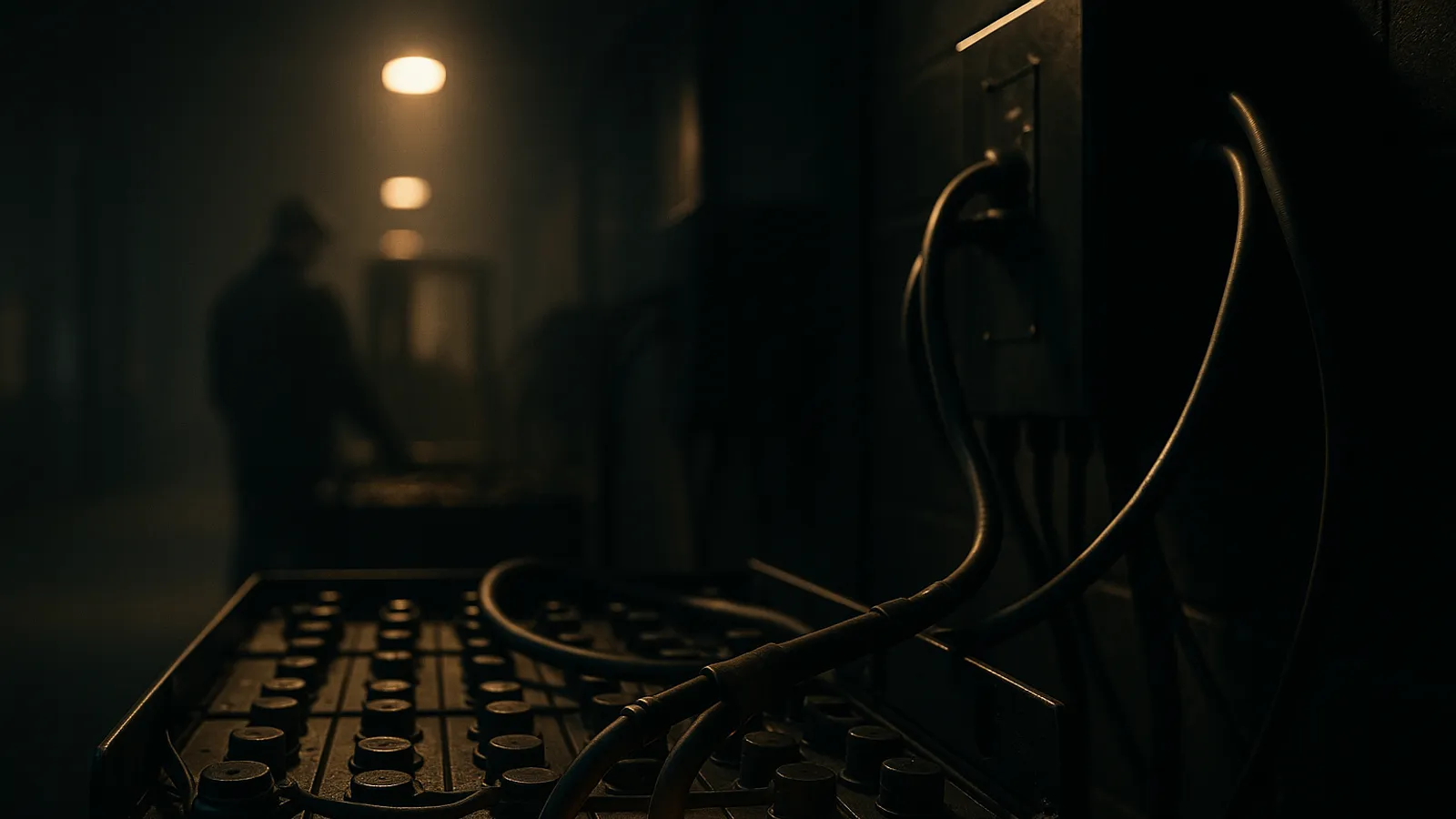
In a warehouse, on a loading dock, or along a production line, material handling equipment is rarely just one tool among many: it is often the link that keeps the whole chain moving. When a forklift stops, it is not a single machine that goes idle, it is an entire flow that seizes up. How fast you get the equipment back in service then weighs directly on your productivity. Responsive after-sales service is not a luxury: it is insurance against the hidden costs of a stoppage. Here is how well-run service concretely protects your output.
The real cost of a stopped machine
The price of a repair is visible; the cost of downtime is far less so, and it is almost always higher. When a forklift fails at the height of activity, the consequences spread well beyond the workshop floor.
- Blocked flows. A pallet truck or forklift stuck in the wrong place, and an entire receiving or dispatch dock slows down.
- Idle teams. Drivers and order pickers paid to wait, or reassigned in a hurry to less productive tasks.
- Missed shipments. An order that does not leave on time means an unhappy customer and sometimes late penalties.
- Knock-on delays. A holdup early in the chain ripples through every later step, and rarely gets made up the same day.
Put end to end, these effects turn a minor breakdown into a real operating loss. That is exactly what a responsive service prevents.
Fast diagnosis and on-site intervention
The first variable is the time between the breakdown and the return to service. The sooner the cause is identified, the sooner the machine runs again. A fast diagnosis, by a technician who knows handling equipment, avoids guesswork and points straight to the right repair.
On-site intervention changes the equation. Hauling a heavy forklift or an aerial lift to an outside workshop costs hours, sometimes days. When the technician comes to you, equipped to handle most common faults right where the machine works, the equipment goes back into service without transport logistics or a drawn-out stoppage.
Genuine parts and certified repair
Repairing fast is not enough: the repair has to last, so the fault does not return the following week. Two requirements matter here.
Genuine, guaranteed parts ensure the component fitted matches the machine exactly, respects its tolerances, and preserves its performance. A poorly matched generic part can look cheaper in the moment, then prematurely wear neighboring components or compromise a safety function.
Certified repair, carried out by a qualified technician to proper standards, ensures the equipment stays compliant and reliable afterward. On machines that lift loads and move operators, repair quality is not negotiable: it governs safety as much as availability.
Replacement equipment to keep moving
Even with the best diagnosis, some repairs take time: a part to order, a heavier overhaul. During that wait, your operation cannot pause. Providing replacement equipment keeps operations running while the machine is down.
A substitute forklift matched to your need takes over for the duration of the repair. Your flows continue, your teams stay productive, and the breakdown becomes a managed incident rather than an enforced stop. That continuity is often what separates a contained surprise from a lost day.
Continuous technical assistance that de-risks your operation
Beyond the one-off call-out, it is the ongoing relationship that lowers risk. Continuous technical assistance, with a contact who knows your fleet and your activity, shortens every exchange: there is no need to re-explain everything, the context is already understood.
Relying on a responsive provider, able to combine diagnosis, breakdown repair, genuine parts, and a replacement solution, turns a breakdown from a threat into a planned, managed event. Your production gains stability, your stoppages grow shorter and rarer, and you steer your operation instead of reacting to it.
Breakdown stopping your operation? See our after-sales and breakdown service or contact us.