A material handling fleet in good condition is not just more productive: it is safer. Forklifts, aerial lifts, stackers, and pallet trucks lift heavy loads and, in the case of platforms, people. On this kind of equipment, wear is not always visible before it fails, and a failure can have serious consequences. Safety inspections, both daily and periodic, are the most effective way to catch a problem before it becomes an accident. This guide sets out why these checks matter, what they cover, and how to keep records so your fleet stays compliant with the standards in force.
Why periodic inspections matter
Handling equipment works hard: repeated cycles, heavy loads, sometimes harsh environments. Mechanical and hydraulic components wear, adjustments drift, and safety devices can fall out of true. The trouble is that this wear is largely invisible: a tired lifting chain, a hose growing brittle, or a brake losing bite often give no warning until they let go.
Periodic inspections exist precisely to make that invisible wear visible. They let you anticipate, schedule a repair at the right moment, and avoid both the accident and the unplanned stop. On equipment that handles loads and operators, preventive maintenance is not an optional expense: it is the condition of safe, continuous operation.
Daily checks and periodic inspections
Two levels of control complement each other and do not replace one another.
Daily checks are carried out by the operator before each shift. Quick, visual, and functional, they pick up what stands out: a leak under the machine, a damaged tire, a silent horn, controls that respond poorly. The operator is on the front line; that daily vigilance catches a large share of faults as they emerge.
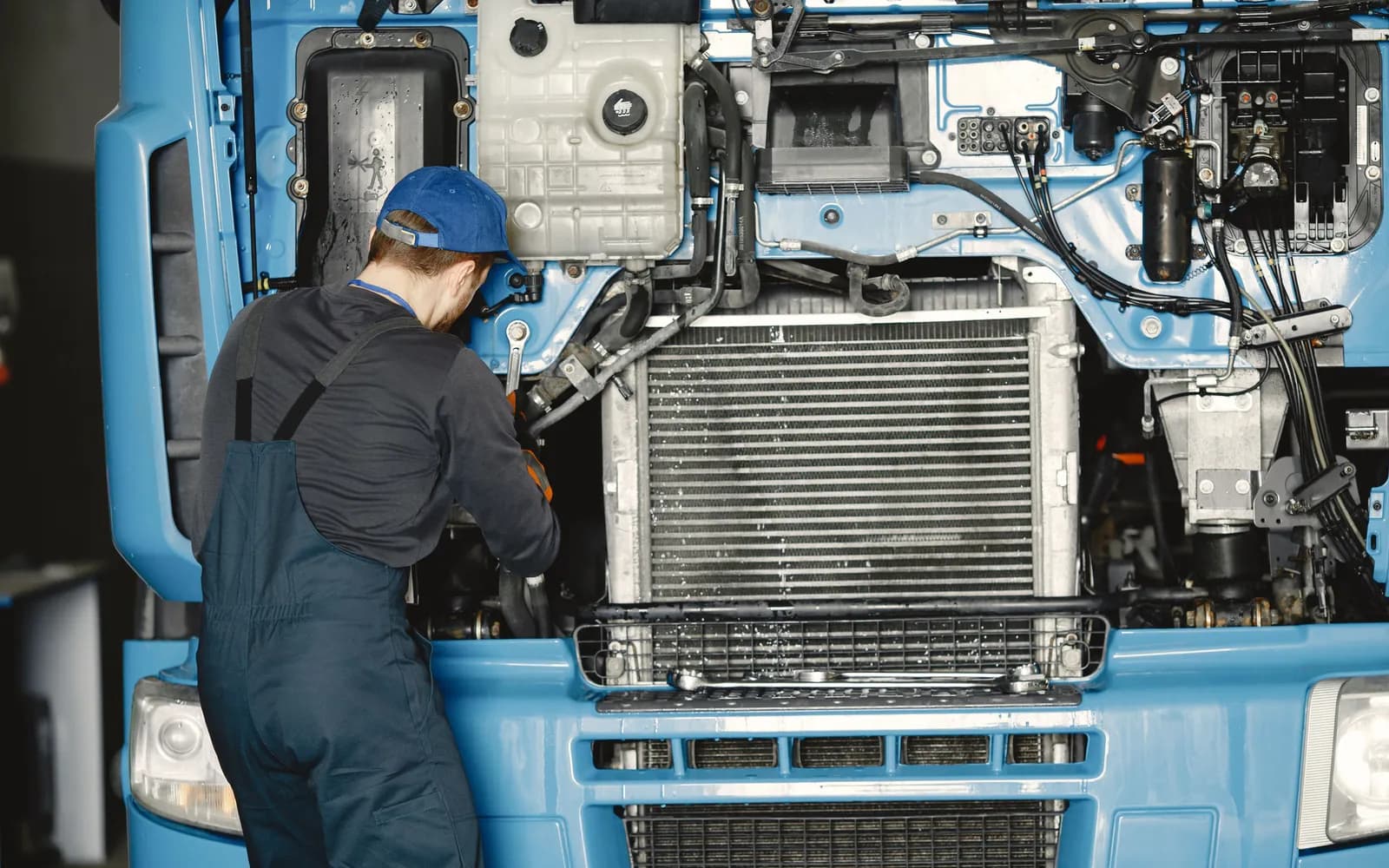
Periodic inspections are conducted by a qualified technician at regular intervals. More thorough, they cover what the operator's eye cannot assess: the real state of the chains, hydraulic pressure and sealing, mechanical play, structural wear. It is this technical inspection that confirms the machine can keep working safely.
Typical inspection points
A full inspection runs through the machine's critical functions. The most common points cover:
- Braking: effectiveness, pedal travel, parking brake.
- The lifting system: mast, chains, rams, and hydraulic circuit, free of leaks and abnormal play.
- Safety devices: horn, lights and beacon, emergency stop, operator belt or restraint.
- Tires: wear, cuts, pressure, correct fitting.
- Leaks: oil, hydraulic fluid, any pooling on the floor beneath the machine.
- Structural integrity: chassis, forks, carriage, anchor points, free of cracks or deformation.
This list is not exhaustive and varies by equipment type, but it gives the measure of what a serious inspection must cover: anything that, by giving way, would put a load or a person at risk.
Traceability: documenting compliance
An undocumented check is of limited value. Keeping written records of inspections and intervention reports is essential, both to track each machine's real condition over time and to demonstrate that the fleet is kept compliant.
A clear history, machine by machine, lets you spot parts that wear fast, plan replacements, and prove, if needed, that inspection obligations have been met. This traceability is an integral part of a well-managed fleet: it turns a string of isolated interventions into a coherent, defensible record.
The role of the technician and the maintenance partner
In-depth inspections belong to a qualified technician, trained on this equipment and able to judge what should be repaired, adjusted, or replaced. Relying on a regular maintenance partner brings more than an expert pair of eyes: it brings continuity of follow-up, knowledge of your fleet, and the assurance that checks are carried out properly and at the right cadence.
Equipment must be kept compliant with the applicable safety standards. Entrusting this work to a qualified provider, with rigorous traceability, is the surest way to keep a fleet both available and in order, year after year.